

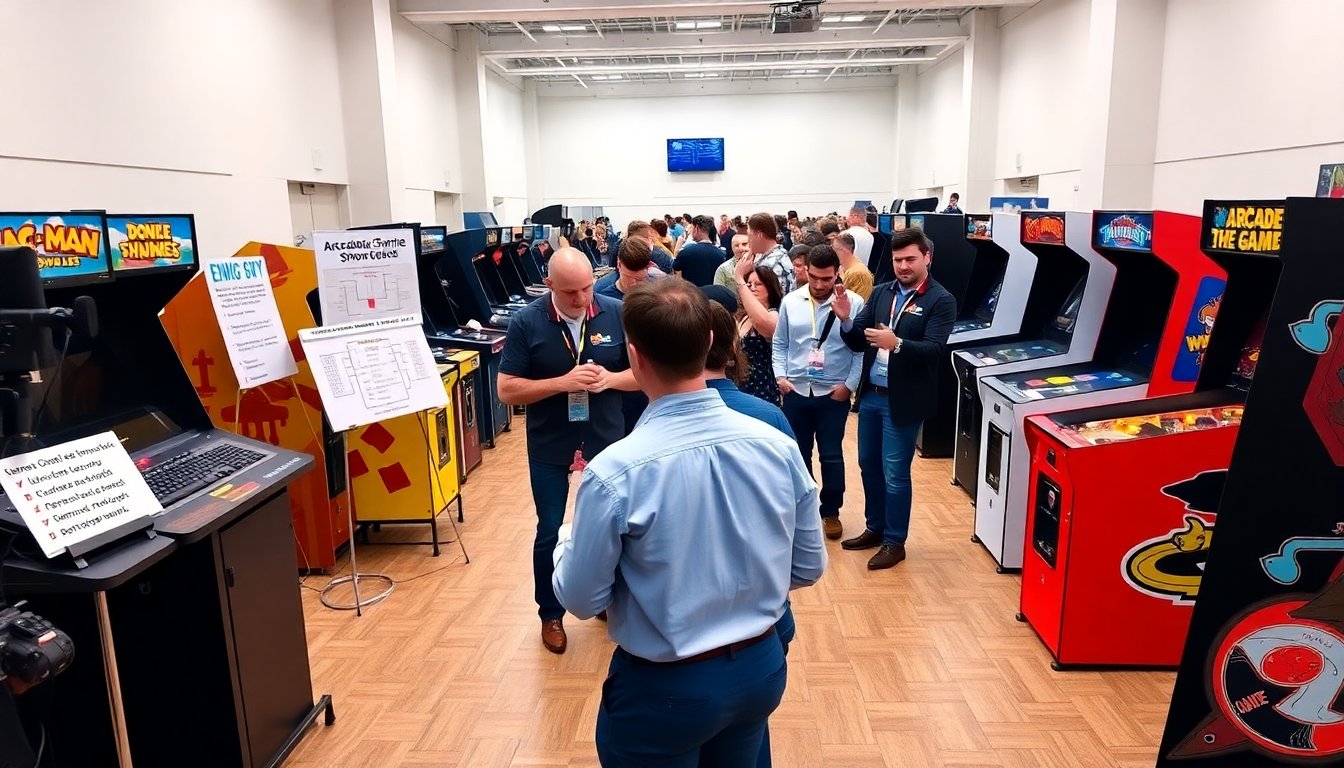

Arcade game showcase brings players classic cabinets and new indies under one roof. The event mixes old favorites with fresh hits. It offers quick sessions and social play. Organizers curate games for skill, nostalgia, and variety. Attendees test games, trade tips, and meet developers. The guide lists must-play picks and explains how to run a great showcase.
Key Takeaways
- An arcade game showcase blends classic cabinets and new indie titles, offering diverse gameplay that appeals to nostalgia and modern tastes.
- Short, skill-based play loops with tactile controls and immediate feedback keep players engaged and foster social interaction.
- A balanced showcase features twelve curated games across classics, revivals, and indies, each providing unique challenges and social experiences.
- Effective event setup includes clear venue layout, timed play sessions, accessible instructions, and active flow management to maintain energy and fairness.
- Promotion strategies should target local gamers, collectors, and streamers, leveraging social media, partnerships, and developer involvement for broad appeal.
- Hosting an arcade game showcase strengthens community bonds, provides valuable developer feedback, and revitalizes interest in both new and classic arcade games.
Why Arcade Games Still Captivate Players Today
Arcade game showcase keeps attention with short, clear play loops. Players learn rules fast and feel progress after minutes of play. Retro cabinets offer tactile controls. People enjoy joysticks, buttons, and trackballs. Developers design modern indies to match that feel. Players find skill-based challenges rewarding. Games create social moments when players compete and cheer. High scores create friendly rivalry and repeat visits. Arcades host spontaneous teaching and quick rematches. Many titles use sound and light to create immediate feedback. That feedback boosts excitement and memory. Streamers show these moments and grow interest. Cities keep arcade spaces as cultural hubs. Event organizers can tap that culture to draw diverse crowds. A strong arcade game showcase mixes difficulty, accessibility, and novelty. It includes single-player challenges, co-op modes, and head-to-head matches. That mix keeps players involved all night.
12 Essential Arcade Games To Demo — Classics, Revivals, And Indies
Arcade game showcase should include a balanced list of twelve titles. The list below blends classics, modern revivals, and standout indies. Each pick gives a distinct play style and social vibe.
- Pac-Man (Classic). Players navigate mazes and chase points. The game rewards pattern recognition and timing. It still thrills new players.
- Street Fighter II (Classic). Players perform combos and read opponents. The game teaches timing and spacing.
- Donkey Kong (Classic). Players climb and dodge hazards. The game tests reflexes and route planning.
- Teenage Mutant Ninja Turtles: Turtles in Time (Revival). Players team up and brawl. The game shines in co-op sessions.
- Dance Dance Revolution (Classic/Active). Players step to rhythm and burn energy. The game attracts spectators and casual players.
- Metal Slug (Revival). Players blast enemies and find secrets. The pixel art and chaos draw players.
- Cuphead: Arcade Mode (Indie Revival). Players face bosses and hone timing. The game mirrors classic run-and-gun intensity.
- TowerFall (Indie). Players duel in tight arenas. The game generates tense, short rounds and laughs.
- Neon Clash (Indie). Players control fast ships and dodge bullets. The game rewards micro-adjustments and split-second decisions.
- Ghost Blaster VR (Indie Revival). Players aim at ghosts with light guns. The game blends physical action and nostalgia.
- Rocket League: Arcade Tour (Indie Revival). Players score in short matches. The game bridges competitive and casual play.
- Pinball FX Remix (Revival). Players hit flippers and chase combos. The game keeps play tactile and score-driven.
Event planners should rotate demos and include difficulty tiers. They should place classics near the entrance to draw crowds. They should place indies in demo stations with dev notes. They should provide short guides and quick tips for each game. They should schedule short tournaments for high-interest titles. That scheduling keeps energy high and lines moving.
How To Host An Unforgettable Arcade Showcase Event (Setup, Flow, And Promotion)
Arcade game showcase success depends on setup, flow, and promotion. Organizers pick a venue with open sight lines and power access. They place machines to allow player and spectator space. They set clear queues and time limits for popular games. Staff monitor play time and enforce friendly rules. Organizers provide signage with simple play instructions. They give priority to accessibility and safety.
Organizers plan flow in timed blocks. They schedule demos, free play, and short tournaments. They open with a featured demo to draw early crowds. They run tournaments in the middle to maintain momentum. They finish with a free-play wind-down to encourage lingering and networking. They keep each block short to prevent fatigue.
Promotion should target local players, collectors, and streamers. Organizers post event pages with the full game list and schedule. They share photos and short clips to show highlights. They invite local devs to demo their indies and speak to fans. They offer early-bird tickets and group discounts. They partner with local bars, cafés, and game stores for cross-promotion.
On the day, organizers staff a help desk and a lost-and-found. They prepare spare controllers and basic repair tools. They set up streaming stations and a mic for announcements. They run a social contest with a unique hashtag to encourage sharing. They collect attendee emails for future events. They thank sponsors and display their logos discreetly.
A successful arcade game showcase creates memory and connection. It exposes players to new games and renews love for classics. It helps devs get feedback and builds community ties.