

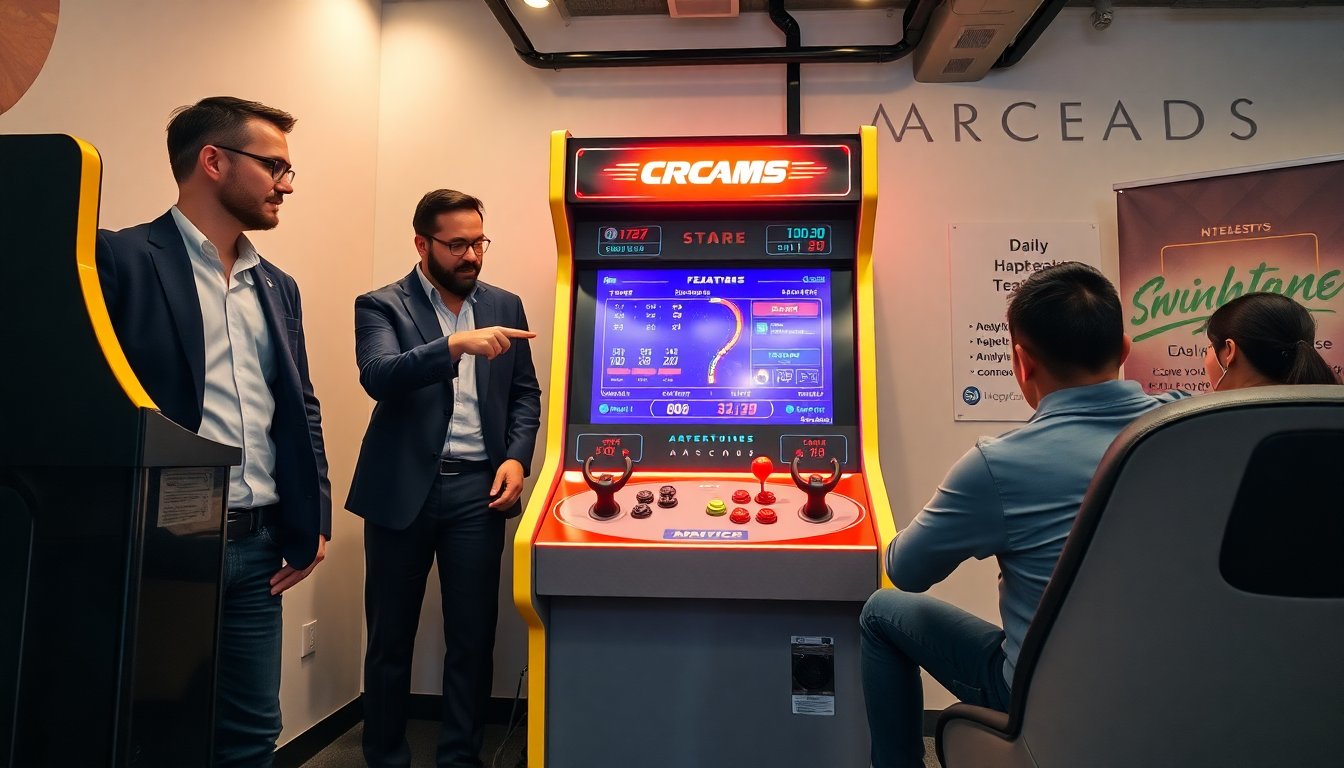

The arcade game features overview explains what players expect in 2026. It lists core mechanics, cabinet hardware, and engagement systems. It helps designers, operators, and players compare titles quickly. The article uses clear language and direct examples. It focuses on features that shape play, repeat visits, and social moments.
Key Takeaways
- Arcade game features focus on short sessions, rising challenge, and clear feedback to keep players engaged and encourage repeat visits.
- Cabinet hardware now combines classic controls with modern technology, including high-brightness screens, tactile feedback, and connectivity options to enhance player immersion and convenience.
- Monetization strategies balance fair core play with paid cosmetic upgrades and tournament entries, driving revenue without compromising player competition.
- Accessibility features like adjustable difficulty, color-blind modes, and tutorials broaden the player base and improve overall enjoyment.
- Social features such as local co-op, leaderboards, and scheduled tournaments foster community engagement and increase machine usage.
- Data analytics help operators optimize pricing, placement, and game selection to improve both player experience and business outcomes.
Core Gameplay Mechanics And Design Patterns That Define Arcade Titles
Arcade game features overview covers signature mechanics that keep players hooked. Games use short sessions, rising challenge, and clear feedback. They present an initial skill curve that players learn in one or two tries. Designers use score systems, timers, and combo meters to reward risk and speed.
They give players immediate goals. A game might set a timer, spawn enemies, and track score. Players act, react, and aim to beat their own numbers. Many titles add power-ups that change play for a short time. These power-ups create tense choices: chase a bonus or secure existing points.
Replay value relies on layered mastery. Developers add hidden systems such as enemy patterns, secret routes, and score multipliers. These systems let skilled players refine runs and chase higher ranks. Modern arcade game features overview notes the rise of procedural modifiers. These modifiers change enemy placement or item drops to keep runs fresh.
Skill expression remains central. Games show scores, accuracy, and completion time. They let players compare in real time or via leaderboards. Designers place checkpoints and short failure loops to keep stress low. They balance challenge so new players feel progress and veterans find targets to master.
Finally, tactile feedback ties mechanics to feeling. Visual hit sparks, sound cues, and controller rumble confirm player actions. These cues speed learning and increase satisfaction. The arcade game features overview highlights clear cause and effect as the core of design.
Hardware, Controls, And Cabinet Features That Shape Play
The arcade game features overview examines cabinets, controls, and displays. Cabinets now blend classic layouts with modern tech. Operators use durable joysticks and buttons for fast inputs. They place controls to favor ergonomics for short sessions.
Developers match control schemes to game needs. Fast-action shooters use light guns or dual sticks. Rhythm games use pads or touch surfaces. Racing games use wheels and pedals. These choices shape who plays and how long they stay.
Displays now use high-brightness screens and low-latency image processing. They show crisp motion and clear readouts. Cabinets add secondary displays for score, player names, or dynamic lighting. These extras create focal points and social spectacle.
Audio systems deliver direction and punch. Cabinets use speakers and subwoofers to emphasize hits and bass. Audio cues inform player choices and heighten excitement. Physical feedback such as haptics and moving seats increases immersion.
Payment and connectivity features matter. Operators add contactless payments and app-based credit systems. Cabinets include USB ports for personal controllers and Bluetooth for wireless use. They also ship with firmware that updates over a network.
Build quality affects uptime. Operators prefer parts that tolerate heavy use and easy replacement. They standardize joysticks, buttons, and power supplies to speed repairs. The arcade game features overview notes that hardware choices directly affect revenue and player satisfaction.
Monetization, Accessibility, And Social Features That Drive Engagement
The arcade game features overview covers revenue models, accessibility, and social layers. Operators use per-play pricing, time-based credits, or subscription access. They test prices to match location and audience. Monetization choices affect session length and repeat traffic.
Games include skill-based rewards and cosmetic upgrades. Operators sell extra plays, tournaments entry, and event passes. They keep core play fair while offering paid shortcuts for cosmetic items. This balance increases income without harming competition.
Accessibility improves reach. Titles add adjustable difficulty, color-blind modes, and control remapping. They include clear text, voice cues, and simple tutorials. These features let more players start quickly and enjoy the game.
Social features create moments that draw crowds. Local co-op and versus modes encourage side-by-side play. Party modes add shared goals and quick match rounds. Leaderboards show top runs on the cabinet and online. They motivate players to return and to challenge each other.
Tournaments and events extend engagement. Operators schedule daily challenges and weekly cups. Games sync with apps to track stats and post results. These events build community and increase machine usage.
Data and analytics guide decisions. Operators collect play rates, session length, and peak hours. They use this data to tune pricing and place new titles. The arcade game features overview shows that clear metrics improve both player experience and revenue.