

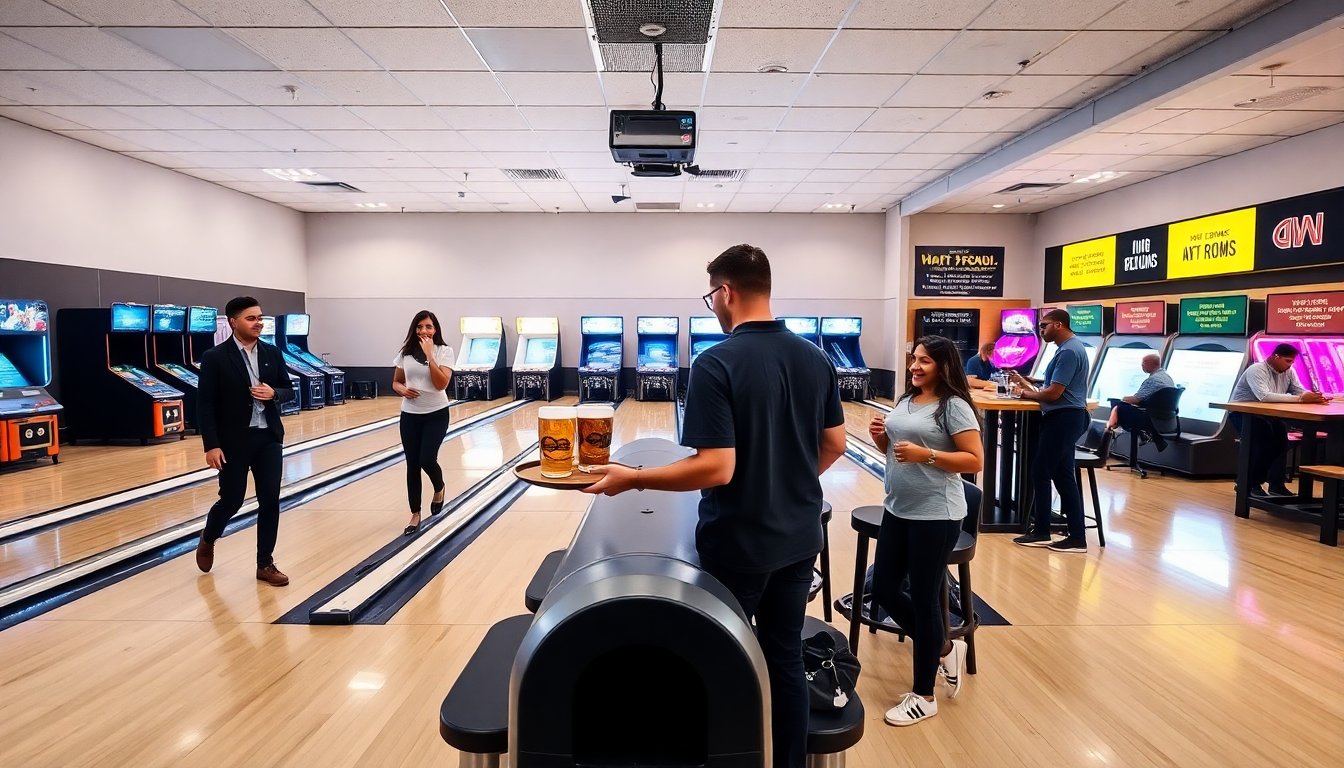

The bowling arcade grew in popularity again after operators added games, food, and social space. The guide explains what a bowling arcade is, how groups pick the right experience, and how owners run one well. The language stays direct. The reader will get clear steps, concrete choices, and practical tips.
Key Takeaways
- A bowling arcade blends traditional bowling with arcade games, food, and social spaces to attract diverse groups and boost visit frequency.
- Groups should select bowling arcades based on their priorities like casual play, party settings, or competitive events, considering factors such as session length, amenities, and atmosphere.
- Owners can increase revenue by designing multi-functional spaces with engaging arcade placements, flexible lane systems, and efficient food service.
- Shorter bowling sessions and additional features like glow play, themed nights, and redemption games enhance customer turnover and enjoyment at bowling arcades.
- Effective marketing including weekday promotions, corporate packages, social media presence, and local partnerships are key for maintaining steady bowling arcade traffic.
- Regular maintenance, staff training, and customer feedback ensure a clean, reliable experience that encourages repeat visits to bowling arcades.
What A Bowling Arcade Is And Why It’s Had A Resurgence
A bowling arcade combines bowling lanes with arcade games, bar service, and party space. Operators merge physical bowling with arcade machines to attract wider audiences. Developers retrofit old alleys and open new venues with bright lighting and mobile scoring. Younger adults and families visit a bowling arcade for quick play, food, and social time. The rise in casual entertainment spending helped many centers recover after 2020. Local groups seek experiences that mix activity and socializing. A bowling arcade lowers the barrier for first-timers and offers variety for regulars. Operators add glow play, themed nights, and short-session bookings to increase visits. Many centers pair lanes with redemption games and VR to create layered revenue streams. The combination of food, drink, and games increases per-visit spend. City planners and landlords often favor bowling arcades because they drive evening foot traffic. Investors look for spaces with good parking and flexible floor plans. A clear operations plan helps new entrants manage staffing and supply costs. The modern bowling arcade keeps core bowling rules but shortens session lengths to match consumer time budgets. This choice improves turnover and fits group schedules. Many venues also sell memberships and offer league nights to bring back regular customers.
How To Choose The Right Bowling Arcade Experience For Your Group
Groups should list priorities before they book a bowling arcade. They should decide if they want casual play, a party, or a competitive event. If a group wants food and a bar, they should pick a venue with a full kitchen and clear drink policies. If a group wants quick fun, they should pick lanes that allow short sessions and wristband arcade play. Families with kids should check lane bumpers, staff supervision, and age-appropriate games. Corporate teams should ask about private rooms, AV equipment, and group pricing. Friends on a budget should pick shared lanes, weekday specials, or package deals. Players who care about scoring should check whether the venue uses house rules or standard league setup. Groups that want a lively vibe should pick glow nights or DJ events. Groups that want quieter play should book off-peak hours or private rooms. Bookings matter. Groups should reserve lanes early for weekends and holidays. They should confirm lane count, shoe availability, and staff support. They should ask about accessibility and parking. They should read recent reviews to verify service and cleanliness. They should also confirm cancellation and refund policies. The right bowling arcade supports the group’s goal. The venue should match the group’s desired pace, budget, and age mix.
Tips For Owners: Designing, Marketing, And Operating A Successful Bowling Arcade
Owners should design spaces that support multiple revenue streams. They should place arcade machines near lanes to keep players engaged between frames. They should create clear circulation paths for food delivery and lane access. Owners should choose lane systems that allow short-session bookings and that handle different scoring modes. They should invest in lighting and sound that the staff can adjust quickly. Owners should set up kitchen flow to serve groups fast. They should test menu items for speed and margin. Owners should price packages to include shoe rental, lane time, and play tokens. They should run weekday promotions and corporate packages to smooth demand. Owners should collect email addresses and text numbers to send offers and rebook customers. They should use simple loyalty systems that reward repeat visits. Owners should train staff to reset lanes fast and to handle parties calmly. They should measure key metrics every week: occupancy rate, average spend per visit, and cost of goods sold. They should watch labor hours and adjust schedules to demand. Owners should maintain machines and lanes regularly to reduce downtime. They should keep a spare parts inventory for common failures. Owners should partner with local schools and businesses for group events and fundraisers. They should host themed nights and small tournaments to attract local media and social posts. They should use social media to show real visits and to highlight quick clips of people playing. Paid ads should target nearby ZIP codes and highlight current offers. Owners should seek feedback after each event and act on clear suggestions. Owners who focus on experience, cleanliness, and reliable service will keep customers returning to the bowling arcade.