

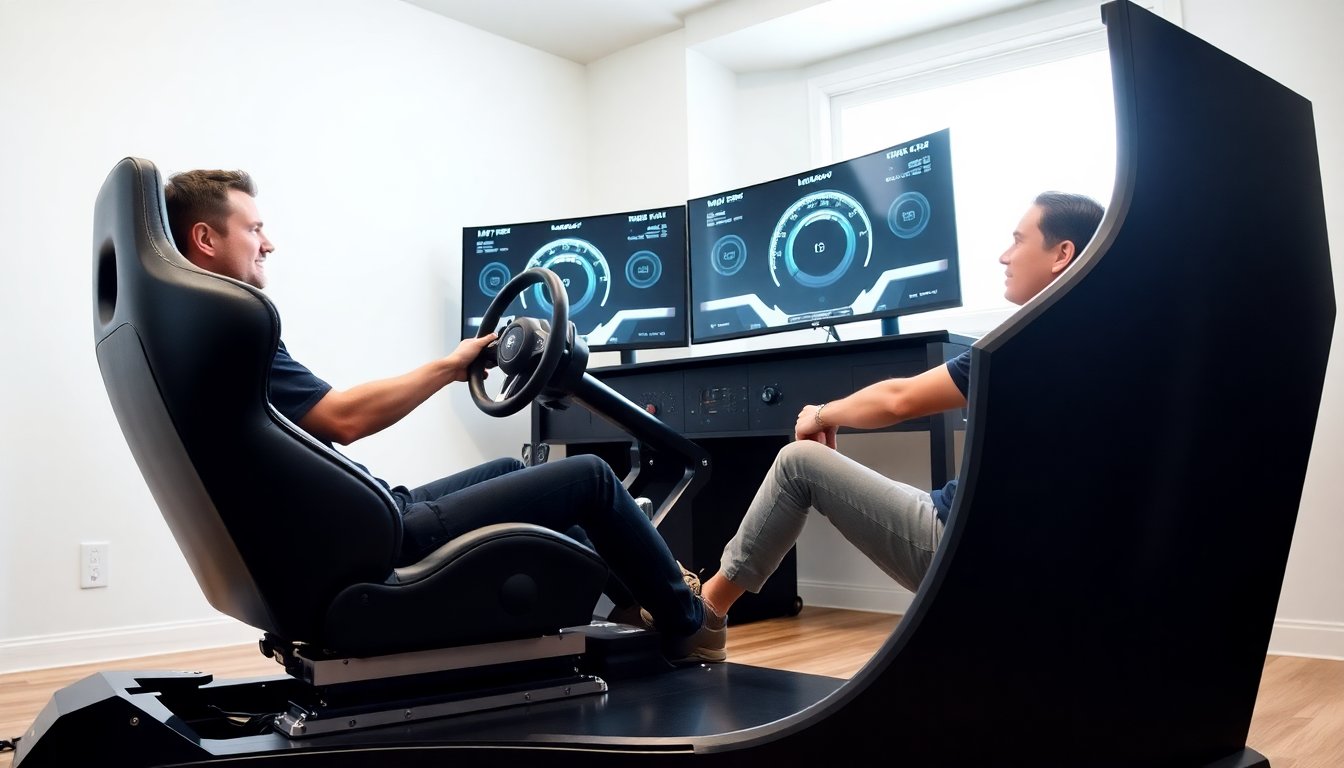

A racing arcade machine gives a person a dense dose of fun and skill practice. The buyer can pick cabinets, controls, and screens to match space and budget. The guide lists the main machine types, control options, and features. It helps a reader decide whether to buy a cabinet or build one from parts.
Key Takeaways
- Choosing the right racing arcade machine depends on budget, space, and desired realism, ranging from standup cabinets to full cockpits with motion seats.
- Force-feedback wheels and pedal quality significantly enhance the racing arcade machine experience, so invest in the best wheel and pedals affordable first.
- Selecting between consoles and PCs affects game variety and performance; PCs offer wider game libraries, mod support, and higher frame rates.
- Screen options like curved monitors, triple displays, or VR headsets increase immersion, but require matching room space and system capabilities.
- Regular setup, calibration, and maintenance, including firmware updates and spare parts stocking, ensure longevity and consistent performance.
- Prioritize comfort and safety with proper seat adjustment and breaks to maximize enjoyment and prevent fatigue during use.
Compare Racing Arcade Machine Types, Controls, And Key Features
A standup cabinet costs less than a full cockpit. A sit-down cabinet gives a player a more realistic posture. A full cockpit adds seat motion and a larger footprint. Each type suits a different room size and budget.
A player should test wheel feel. A force-feedback wheel simulates road forces. A belt-drive wheel gives softer feedback. A direct-drive wheel gives sharp, high-torque feedback for serious racers.
Pedals matter. A basic two-pedal set works for casual play. A three-pedal set gives realism and better control. Load-cell brake pedals give precise pressure sensing and shorter stopping distances.
Shifters and handbrakes add depth. A sequential shifter suits rally and drift fans. An H-pattern shifter suits classic racers. A handbrake helps drift practice and rally starts.
The console or PC choice changes the software pool. Consoles give plug-and-play simplicity. A PC gives a wider game library and mod support. A PC also allows higher frame rates and wider monitor setups.
Screen choices affect immersion. A single large curved monitor gives wrap-around view. Triple monitors give a broad field of view. A virtual reality headset gives the most immersion but needs extra room and motion handling.
Key features to check include mounting points, pedal adjustability, seat comfort, and cable management. A person should confirm wheel compatibility and spare parts access. A buyer should verify warranty and user support. The right set of features keeps the racing arcade machine useful for years.
How To Buy Or Build A Racing Arcade Machine — Budget, Midrange, And Premium Plans
A budget build limits cost and keeps core fun. A person may choose a used arcade seat, an entry-level force-feedback wheel, and a two-pedal set. A monitor can come from a repurposed TV. A budget cabinet can run good games at 60 fps on a midrange PC or on modern consoles.
A midrange plan raises quality. A builder may use a direct-drive compatible wheel or a higher-end belt-drive wheel. A three-pedal set and a comfortable race seat make long sessions easier. A triple-monitor mount or a 34″ ultra-wide monitor can increase the field of view. A midrange racing arcade machine gives smoother feedback and better ergonomics than a budget build.
A premium plan focuses on realism and longevity. A buyer should pick a direct-drive wheel, a load-cell brake, and motion seat components if space allows. A high-refresh monitor or VR headset keeps visuals sharp. A premium racing arcade machine uses a dedicated PC with a fast GPU and low-latency input.
A person should consider prebuilt cabinets for convenience. A prebuilt cabinet saves time. A custom build allows part selection and future upgrades. A buyer should list must-have parts, check compatibility, and compare total costs.
A practical tip: buy the best wheel and pedals that one can afford first. Seats, mounts, and screens show easier upgrade paths. A person who upgrades the control suite first will gain the most immediate performance benefit from a racing arcade machine.
Setup, Maintenance, And Play Tips For Longevity And Maximum Fun
A person should position the cabinet on a level floor. A tight mount prevents wheel wobble. A stable stand keeps input consistent. A user should route cables away from walkways and heat sources.
A player must calibrate the wheel and pedals before play. The system should use the latest firmware for the wheel and pedals. The game settings should match the control ranges. A player should set steering sensitivity, force-feedback strength, and pedal dead zones to personal taste.
Maintenance requires simple, regular checks. A person should tighten mounting bolts every few months. A user should clean dust from fans and vents. A lubricated wheel base will last longer. Replacing worn pedal pads keeps inputs consistent.
Spare parts reduce downtime. A person should keep spare belts, pedal springs, and shifter parts on hand for common wear items. A user should record serial numbers and register major purchases for warranty claims.
Play tips increase enjoyment. A player should warm the seat and wheel to avoid stiffness in cold rooms. A racer should practice braking points and throttle control in easy tracks before moving to harder layouts. A person should vary game modes to keep skills broad.
Safety and comfort matter. A user should adjust the seat to preserve posture. A person should take regular breaks to prevent fatigue. A well-cared racing arcade machine returns better performance and longer service life.