

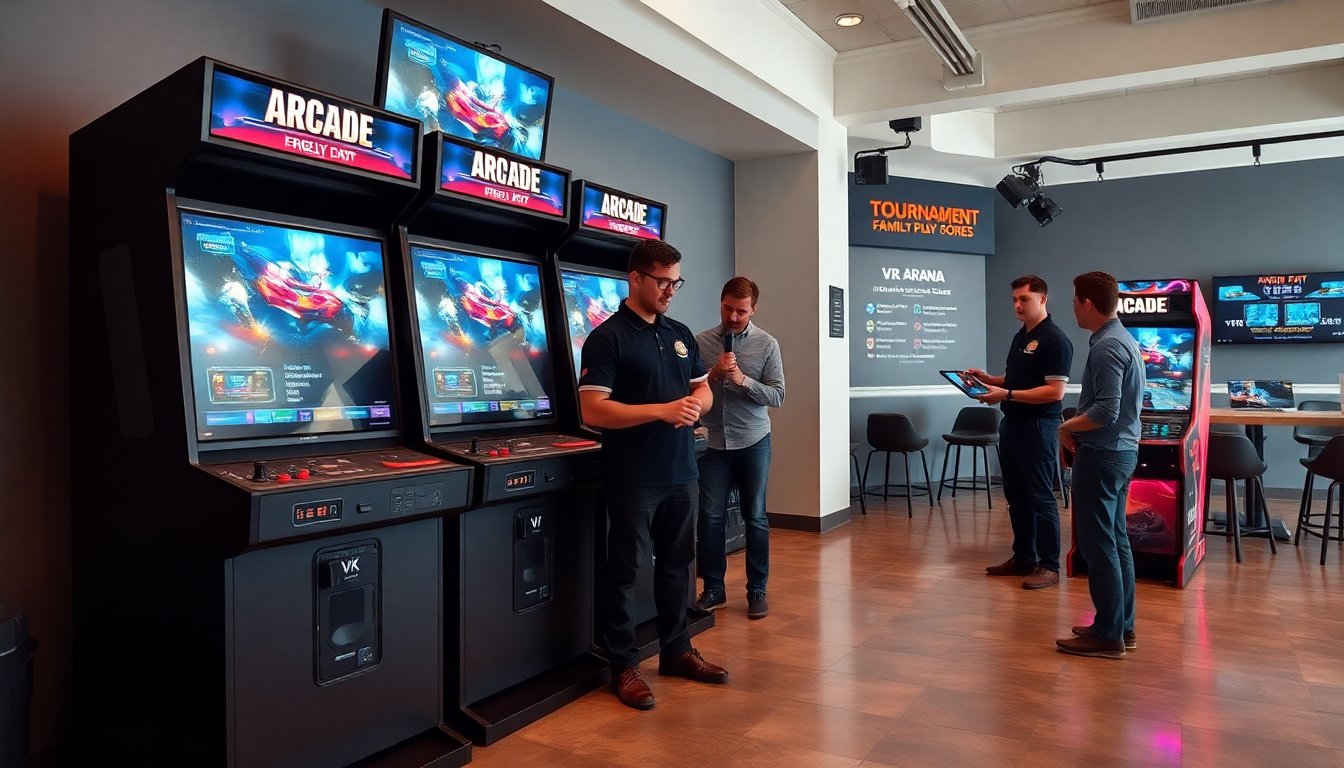

Modern arcade gaming systems remain relevant in 2026 and they drive social play, nostalgia, and new hardware innovations. This guide explains core technologies, event formats, and practical steps to choose or build a cabinet. It gives clear, actionable guidance. The reader will understand hardware trade-offs, common setups, and costs. The text stays direct and factual to support decisions about modern arcade gaming systems.
Key Takeaways
- Modern arcade gaming systems combine nostalgic appeal with contemporary technology like PC-class GPUs and networking for updates and leaderboards.
- Choosing the right arcade cabinet depends on goals, budget, space, and preferred games, with options ranging from turnkey units to custom builds.
- Display quality matters—4K LCDs offer superior visuals for large cabinets, while 1080p panels save cost for smaller setups.
- Modern input devices such as hall-effect joysticks and haptic feedback enhance play consistency and immersion.
- Barcades, VR arenas, home arcades, and competitive venues each demand specialized systems tailored to player interaction and event format.
- Planning for modular upgrades and maintenance is crucial to extend the lifespan and value of modern arcade gaming systems.
The Evolution And Core Technologies Powering Modern Arcade Systems
Arcade machines started as coin-op cabinets. They used CRTs and discrete boards. Modern arcade gaming systems use LCDs, PC-class GPUs, and solid-state storage. Developers port classic ROMs and create new games that run on modern drivers. Operators install networking to update firmware and leaderboards. Cabinets now include modular I/O for joysticks, buttons, and haptics.
Designers favor open standards. They use PC motherboards or small-form-factor systems. This choice reduces cost and improves serviceability. The systems run lightweight OS images that boot quickly and launch front-end software. Front ends handle ROM collections, legal metadata, and user profiles. Operators secure content with licensed digital rights where needed.
Display choices matter. 4K LCDs give crisp visuals, while 1080p panels save cost. Some retro operators keep CRTs for scanline authenticity. Touchscreens appear in ticket and redemption games. Sound systems now use compact amplifiers and DSP tuning. Modern audio supports stereo or multichannel sound and can drive subwoofers in barcades.
Input tech moved forward. Hall-effect joysticks and optical encoders reduce wear. Players get consistent inputs across sessions. Force-feedback and motorized pedals appear in racing and flight cabinets. Haptic modules add tactile feedback for fighting and rhythm games. Networked scoreboards and cloud saves keep player progress and promote repeat visits.
Security and maintenance follow industry practice. Operators use access controls, remote monitoring, and automatic updates. They log hardware errors and swap failing components fast. This approach keeps uptime high. Energy-efficient power supplies and scheduled sleep modes lower operational costs. These elements shape modern arcade gaming systems that balance nostalgia with contemporary reliability.
Types Of Modern Arcade Experiences — From Barcades To VR Arenas
Barcades mix arcade cabinets with a bar. They target social groups and casual players. Barcades place modern arcade gaming systems near seating and craft beverage stations. Operators choose cabinets that handle heavy foot traffic. They favor ticketless and skill-based games that keep queues moving.
Family entertainment centers combine redemption games, mini-arena VR, and simulators. They use large footprints and managed seasons. These venues install modern arcade gaming systems that include prize dispensers and integrated player tracking. They often buy systems with robust service plans and remote diagnostics.
Competitive spaces support tournaments. They outfit cabinets with standardized controls and latency-tested displays. These modern arcade gaming systems include networked match scheduling, spectator screens, and automated scoring. Tournament organizers prefer systems with rollback netcode or local multiplayer modes to avoid lag complaints.
VR arenas expand the arcade concept. They pair headsets with tracked controllers and motion floors. VR providers use arcade-grade headsets that support sterilization and quick swaps. These centers combine VR and traditional cabinets to widen appeal. They use modern arcade gaming systems for front-of-house check-in, digital waivers, and session timers.
Home arcades deliver a different experience. Enthusiasts buy compact modern arcade gaming systems for basements and game rooms. These systems emphasize quiet cooling, customizable marquee art, and reliable controls. Builders install emulation front ends and licensed titles. Home operators tune sound and lighting for longer sessions and family use.
Pop-up and retro events use portable cabinets and kiosks. They rent modern arcade gaming systems on short terms. Event planners choose modular units that pack fast and ship easily. These systems focus on quick setup and proven reliability for one-off shows.
How To Choose, Build, Or Upgrade An Arcade Cabinet In 2026
A buyer should set clear goals before choosing a system. They should list preferred games, space limits, and budget. They should decide between a turnkey modern arcade gaming systems kiosk, a kit, or a custom build. Turnkey units reduce setup time. Kits offer balance between cost and customization. Custom builds maximize control and upgrade paths.
Parts selection matters. For displays, the buyer should match pixel density to viewing distance. They should pick 1080p for small cabinets and 4K for large sit-down units. The buyer should select an industrial-grade monitor if the cabinet will see heavy use. For computing, they should choose a compact PC or a single-board computer depending on performance needs. A midrange GPU handles modern ports and indie titles. Solid-state drives improve load times.
Controls and ergonomics shape play quality. The builder should use quality microswitch buttons and optical joysticks. They should lay out controls to match genre standards. They should fit wrist rests and adjustable mounts for seated play. They should add ventilation and dust filters to extend component life.
Software choices affect long-term use. People should use front-end software that supports updates and media scraping. They should buy licensed game packs where available. They should configure backups and remote access. For networked cabinets, they should enable secure VPN access for maintenance and disable unused services to reduce attack surface.
Cost planning helps avoid surprises. A basic kit can cost a few hundred dollars. A full modern arcade gaming systems cabinet with quality parts and a midrange PC can cost $1,500–$4,000. High-end commercial cabinets with custom artwork and 4K displays can exceed $6,000. Operators should budget for spare parts and routine maintenance.
Upgrade paths keep cabinets current. The owner should design cabinets with modular mounts and standard connectors. They should plan for display swaps, RAM and storage upgrades, and controller replacements. This approach extends life and preserves value. It keeps modern arcade gaming systems playable and cost-effective into future years.