

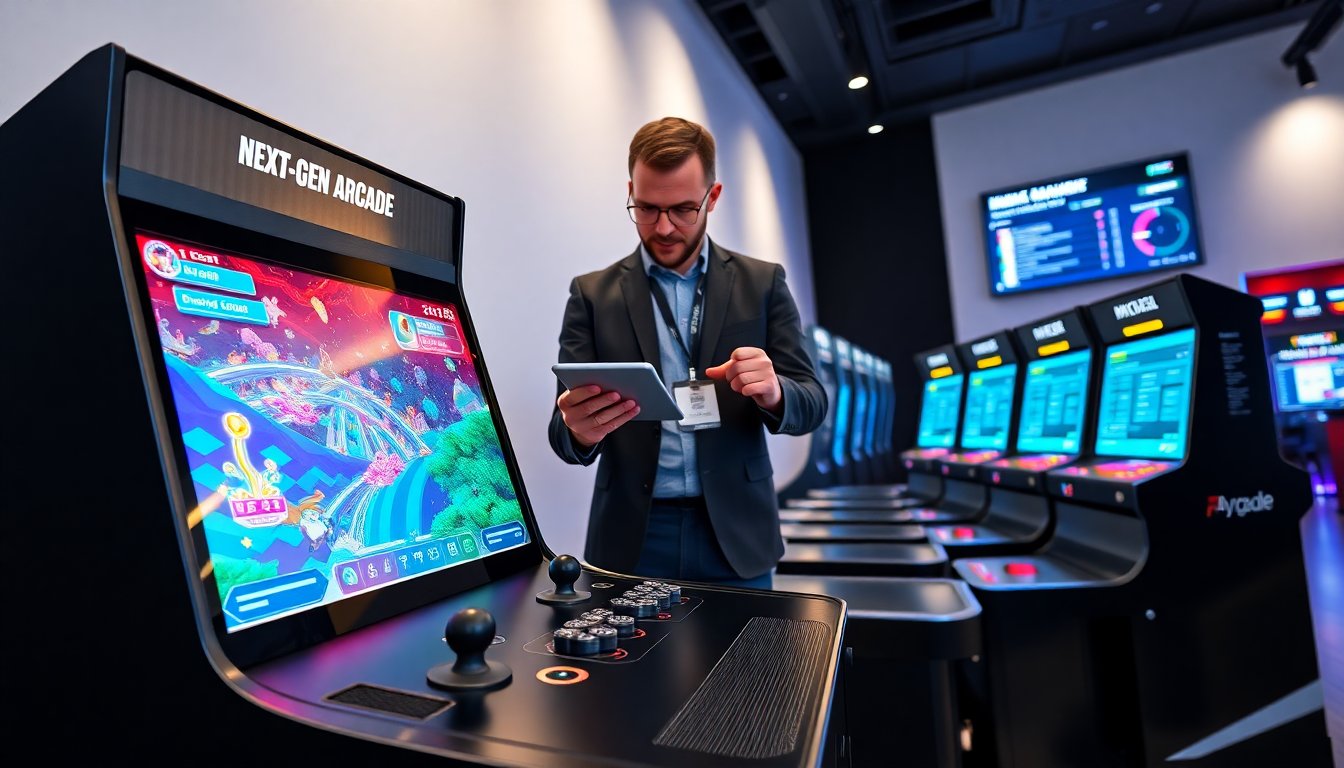

Next gen arcade machines bring classic gameplay into modern spaces. They combine familiar controls with new screens, audio, and online features. Players get fast load times, smooth graphics, and preserved retro feel. Owners get remote updates, analytics, and flexible pay systems. This guide outlines core features, key technologies, and practical steps for buying, building, and installing modern arcade cabinets.
Key Takeaways
- Next gen arcade machines blend classic gameplay with modern technology, offering smooth graphics, precise controls, and rich audio for an authentic player experience.
- These machines support multiple game formats with emulation and cloud-connected leaderboards, enhancing player engagement and content variety.
- Owners benefit from features like remote software updates, cashless payments, analytics dashboards, and modular hardware for easy maintenance.
- Key technologies include embedded PCs, SSD storage, arcade-standard inputs, layered software stacks, and secure networking for seamless performance and connectivity.
- When purchasing or building, prioritize compatibility with game libraries, hardware specs, payment systems, and ensure proper site planning for optimal installation.
- Effective management involves rotating games based on analytics, scheduling updates strategically, training staff on maintenance, and monitoring finances to maximize revenue.
What Defines A Next-Gen Arcade Machine? Core Features And Player Experience
Next gen arcade machines deliver a clear player experience. They use modern displays, high-fidelity sound, and precise input hardware. Players feel responsive controls and low input lag. Cabinets include LCD or OLED screens that show sharp pixels and accurate colors. They include stereo or spatial audio that makes music and effects clear.
Next gen arcade machines support multiple game formats. They run original ROMs, ports, and new indie titles. They include emulation layers that preserve timing and input behavior. They offer save states and leaderboards. Players view detailed scores and session data on a screen or mobile app.
Next gen arcade machines add convenience for venues. They include cashless payment, remote monitoring, and automated software updates. Owners track playtime, earnings, and error logs. They set price per play, timed sessions, or subscriptions. They receive alerts when hardware needs service.
Next gen arcade machines focus on longevity. They use modular parts that technicians can swap. They use solid-state storage and standardized connectors. They ship with documented firmware that the community can update. Players expect authentic feel, and owners expect easy maintenance.
Key Technologies Powering Modern Arcade Cabinets: Hardware, Software, And Connectivity
Next gen arcade machines use common modern hardware. They use embedded PCs, ARM boards, or small form-factor PCs. They pair those boards with GPU options that render retro and modern titles. They use SSDs for fast boots and large storage for libraries.
Next gen arcade machines use input hardware that matches arcade standards. They use microswitch joysticks, illuminated buttons, and durable encoders. They include spare wiring harnesses and standard pinouts to simplify repairs.
Next gen arcade machines run layered software stacks. They use hypervisors or containers to run multiple OS images. They run emulators, native ports, and web-based front ends. They include local front ends that present menus, game metadata, and updates. They log play data and send it to cloud services.
Next gen arcade machines use connectivity to extend features. They connect via Wi‑Fi or wired Ethernet. They support Bluetooth for controllers and mobile pairing. They sync leaderboards to cloud servers and push updates over the air. They use secure APIs for payment and telemetry.
Next gen arcade machines also use analytics. They track popular titles, session length, and peak hours. They deliver that data to owners through dashboards. Owners use that data to swap games, adjust pricing, and schedule service.
Buying, Building, And Installing: Practical Tips For Players And Venue Owners
Buyers should define use before they choose a next gen arcade machine. They should list games, space, and budget. They should compare turnkey cabinets, kit conversions, and custom builds. Turnkey cabinets arrive ready to play. Kits require assembly. Custom builds require skills or paid labor.
Buyers should check specs when they evaluate next gen arcade machines. They should read CPU, GPU, storage, and input details. They should confirm display resolution and refresh rate. They should verify payment options and network features. They should ask about warranty and parts availability.
Builders should pick standard parts for next gen arcade machines. They should choose common joysticks, buttons, and harnesses. They should mount a service panel for quick access. They should install a power switch with surge protection. They should label connectors to speed repairs.
Installers should plan the site for next gen arcade machines. They should measure floor space and clearance. They should check electrical capacity and outlet placement. They should verify network signal for Wi‑Fi or plan Ethernet runs. They should position cabinets to optimize traffic flow and visibility.
Owners should manage content for next gen arcade machines. They should rotate games based on analytics. They should schedule remote updates during low hours. They should train staff to perform basic troubleshooting. They should keep spare buttons, fuses, and wiring on hand.
Owners should secure finances for next gen arcade machines. They should test payment flow before public use. They should choose card readers or mobile-pay options that meet local rules. They should track revenue and adjust pricing to match demand and foot traffic.